

If you are interested in the product and want more information, please leave your information .

WeChat (China) : +86 15075780050
Email : sam@greatforming.com
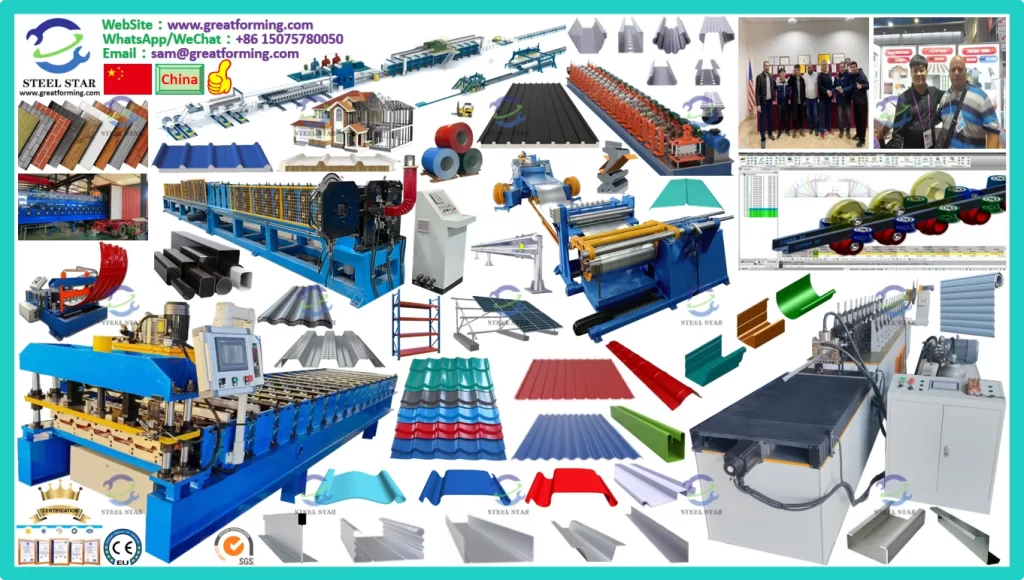
Below is a brochure of our factory products, which can be viewed and downloaded.
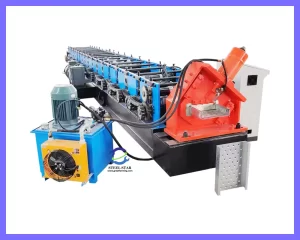
Roll forming is a type of rolling that involves continuously bending long strips of metal sheet (typically coiled steel) into the desired cross-section.
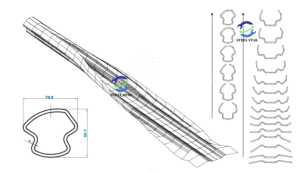
Design the mold shape and number of groups according to the required size. The shrinkage ratio of each group of cold bending is different. Through cold bending group by group, the final desired size can be achieved. Combined with electronic control system, hydraulic system, shearing system and counting encoder to realize automated operation.
Technical Parameters :
- Raw material width : 200mm — 1000mm (Can be customized according to your needs)
- Thickness of sheet : 1.0mm — 3mm (Can be customized according to your needs)
- speed : 5 m — 20 m/min (Can be customized according to your needs)
- Voltage : 380v 50hz 3phase / 220v 60hz 3phase (Can be customized according to your needs)
- Language : English / Spanish / Arabic / Russian / Portuguese / German / French (Can be customized according to your needs)
- Material of rollers : Gcr15 / Cr12 / Cr12 Mov (Can be customized according to your needs)
- Motor brand : Siemens / other (Can be customized according to your needs)
- Electronic control PLC : Siemens / Delta / other (Can be customized according to your needs)
- Number of roller rows: According to product design
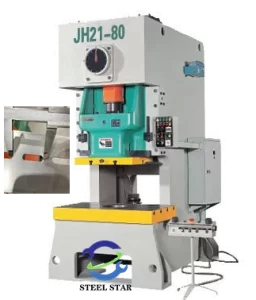
- Punching Press:160 T(Can be customized according to your needs)
Application Scenarios :
Equipment Production Line:
The Pedal Plate Roll Forming Machine: A Comprehensive Guide to Modern Manufacturing
In the world of precision metal fabrication, the pedal plate roll forming machine stands as a testament to engineering efficiency and innovation. These specialized machines are essential for producing high-quality pedal plates used in bicycles, automobiles, and various industrial applications. This comprehensive guide explores the intricacies, advantages, and applications of these remarkable manufacturing systems.
What is a Pedal Plate Roll Forming Machine?
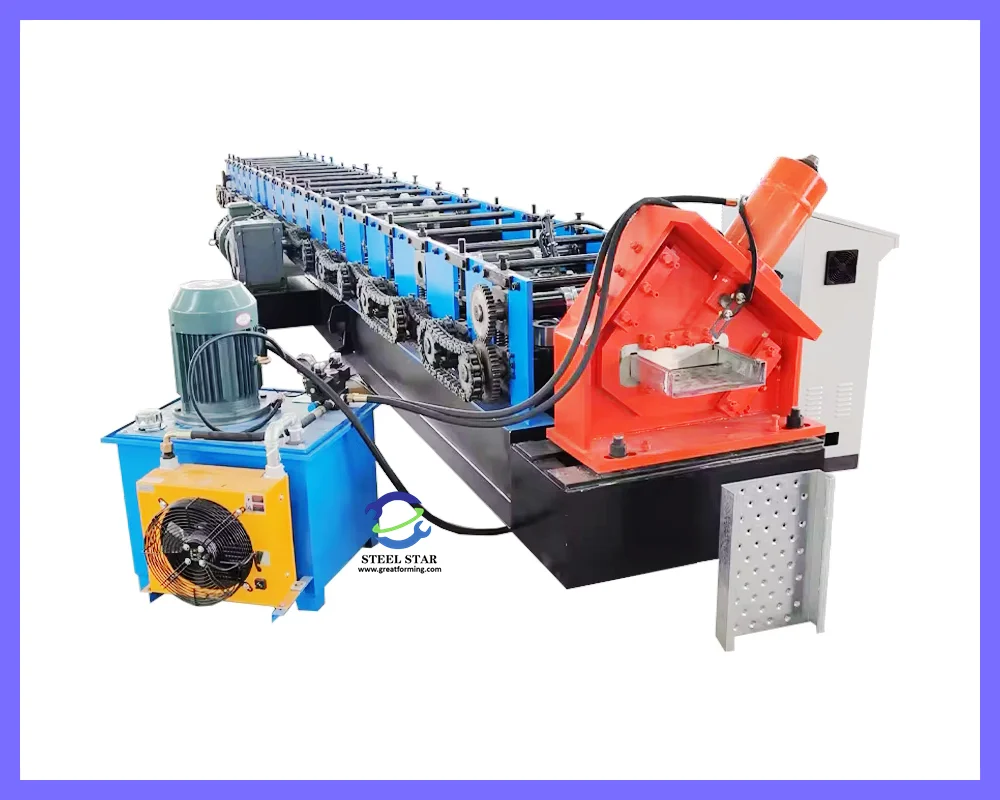
A pedal plate roll forming machine is a specialized piece of industrial equipment designed to continuously shape flat metal strips into precise pedal plate profiles . These plates serve as structural components—in bicycle frames, they provide the mounting point for pedal cranks; in automotive applications, they form the foundation for accelerator, brake, and clutch pedals .
The process employs a continuous bending operation where a metal strip passes through a series of roller stations. Each set of rollers performs incremental bending operations, gradually forming the metal into its final shape with exceptional precision and consistency .
How the Roll Forming Process Works
The pedal plate roll forming process is a sophisticated, fully automated production line that transforms metal coils into finished products through a series of precisely coordinated steps:
1. Coil Loading: Raw material—typically low carbon steel, stainless steel, or aluminum alloy—is loaded onto a decoiler that unwinds the coil .
2. Leveling and Feeding: The material passes through a leveling unit that ensures flatness, followed by a servo feeding system that precisely controls the feed rate .
3. Punching: Holes, slots, and notches are punched into the plate at the early stages of the process while the material is still flat, ensuring accurate hole positioning .
4. Roll Forming: The material progresses through multiple forming stations—typically 20 to 32 sets of rollers—each performing a specific bending operation .
5. Cutoff: The finished, formed plate is cut from the continuous strip at precisely specified lengths using hydraulic cutting systems .
6. Output: Completed pedal plates are conveyed to collection areas for packaging or secondary operations like powder coating .
Key Components and Specifications
Modern pedal plate roll forming machines comprise several critical components working in harmony:
| Component | Function | Typical Specifications |
| Decoiler | Unwinds metal coil | 8T capacity, φ508mm inner diameter |
| Leveling Unit | Ensures material flatness | 5 leveling rollers with worm gear adjustment |
| Servo Feeder | Controls precise material feed | Multi-stage feeding, PLC-controlled |
| Punch Press | Creates holes and notches | 160T-200T capacity, SKD11 die material |
| Forming Stations | Progressive bending | 20-32 stations, GCr15 or Cr12 rollers |
| Cutting System | Part separation | Hydraulic shear, Cr12mov blade material |
| PLC Control System | Automates production | Siemens or equivalent, touch screen interface |
Materials and Processing Capabilities
Pedal plate roll forming machines demonstrate remarkable versatility in material handling:
Common Materials:
– Low carbon steel (Q235-Q345)
– Stainless steel
– Aluminum alloys (6061, 7075)
Typical Thickness Range:
– Steel: 1.0–3.0 mm
– Aluminum: 1.2–3.0 mm
Production Speeds:
Standard machines operate at 0–15 meters per minute, while advanced systems can achieve 40–70 meters per minute for simple profiles .
Types of Pedal Plate Roll Forming Machines
Manufacturers can choose from several machine configurations based on their production requirements:
Standard Roll Formers: Basic models with manual adjustment capabilities, suitable for smaller operations .
Servo Motor Roll Formers: Advanced precision control for tighter tolerances and more consistent output .
All-Electric Roll Formers: Eliminate hydraulic systems for improved energy efficiency (10-18% reduction) and simplified maintenance .
CNC Roll Forming Lines: Fully automated systems with integrated controls for optimal efficiency and precision .
Key Advantages
The adoption of pedal plate roll forming technology offers numerous benefits:
High Production Efficiency: Continuous processing enables high-volume output with minimal downtime. The automated nature of these machines significantly reduces labor costs while increasing throughput .
Exceptional Precision: Modern roll forming machines achieve dimensional tolerances of ±0.5 mm, with precision CNC systems holding ±0.25 mm or better . This accuracy ensures perfect fit in final assemblies.
Material Efficiency: Unlike stamping processes that may waste significant material, roll forming utilizes the entire metal strip, minimizing scrap and reducing raw material costs .
Consistent Quality: The progressive forming process ensures uniform quality across all production runs, reducing defect rates and improving customer satisfaction .
Flexibility: Quick-change tooling systems allow profile changes in 10-20 minutes, enabling manufacturers to respond rapidly to changing market demands .
Industry Benchmarks and Performance Metrics
Recent industry data reveals key performance indicators for modern pedal plate roll forming operations:
| Metric | Typical Performance | Best-in-Class |
|——–|———————|—————|
| Line Speed | 20-40 m/min | 40-70 m/min |
| Dimensional Tolerance | ±0.5 mm | ±0.25-0.35 mm |
| Changeover Time | 30-60 min | 10-20 min |
| First-Pass Yield | 96-98% | 98.5-99.5% |
| Energy Use | 90-115 kWh/ton | 75-95 kWh/ton |
| OEE (Single Profile) | 60-70% | 75-85% |
Applications Across Industries
The versatility of pedal plate roll forming machines makes them essential across multiple sectors:
Bicycle Manufacturing: Pedal plates form the critical interface between the rider and the bicycle drivetrain. Roll forming produces lightweight yet durable plates that ensure efficient power transfer .
Automotive Industry: From passenger vehicles to heavy trucks, roll-formed pedal plates provide the reliability and durability required for accelerator, brake, and clutch mechanisms .
Industrial Equipment: Heavy machinery, construction equipment, and agricultural vehicles all require robust pedal mechanisms where roll-formed components excel .
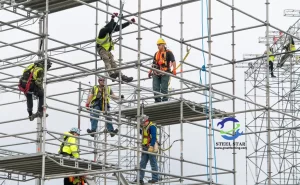
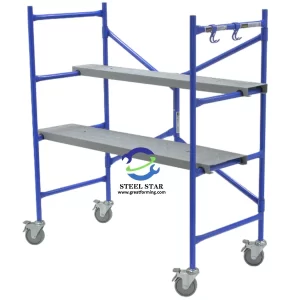
Scaffolding and Construction: Pedal plates and scaffolding panels produced through roll forming offer the strength and dimensional consistency essential for construction safety .
Modern Technological Advancements
The industry continues to evolve with cutting-edge innovations:
Smart Quality Control: Affordable machine vision systems now verify hole position, slot geometry, and twist in real-time, reducing rework requirements for components with tight tolerance interfaces .
Energy Efficiency: IE4/IE5 motors and regenerative drives reduce energy consumption by 10-18% compared to older systems .
Industry 4.0 Connectivity: Native OPC UA and MQTT protocols enable seamless integration with manufacturing execution systems (MES), providing SKU-level traceability and energy monitoring .
Sustainable Materials: Growing use of recycled aluminum (≥75% recycled content) reflects increasing environmental consciousness among manufacturers .
Case Study: Vision-Guided Precision Improvement
A mid-size bicycle manufacturer recently implemented vision-guided punching technology on their pedal plate roll forming line. By adding AI vision and laser edge tracking before the punching station, they achieved:
– Hole position Cpk improvement from 1.07 to 1.62
– Scrap reduction from 2.1% to 0.7%
– Changeover validation time reduced by 35%
This investment in smart technology delivered rapid returns through improved quality and reduced waste .
The pedal plate roll forming machine represents a significant advancement in metal fabrication technology. By combining continuous processing with precision control and automation, these machines enable manufacturers to produce high-quality components efficiently and cost-effectively. As technology continues to evolve with smart controls, energy-efficient drives, and enhanced automation, the capabilities of these essential manufacturing tools will only expand.
For manufacturers seeking to improve productivity, reduce costs, and maintain competitive advantage in bicycle, automotive, or industrial markets, investment in modern pedal plate roll forming technology offers a strategic pathway to operational excellence. The combination of precision, efficiency, and flexibility makes these machines indispensable assets in contemporary manufacturing operations .
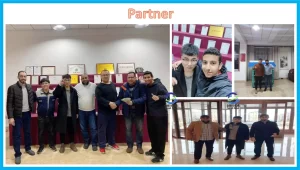
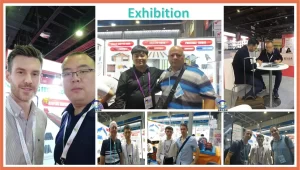
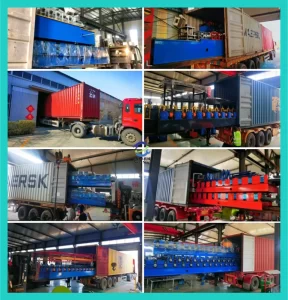
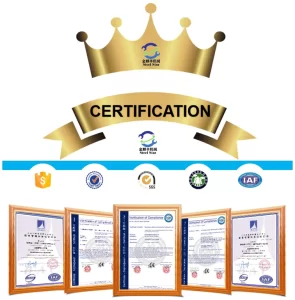
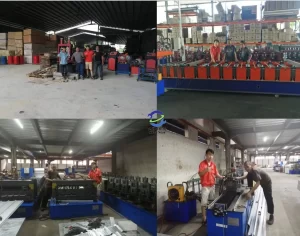
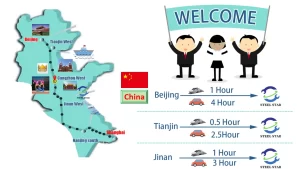
Factory Information:
Website:
www.greatforming.com (English)
www.arabicgreatforming.com (عربي)
www.russiangreatforming.com(Русский)
www.spanishgreatforming.com(Español)
www.frenchgreatforming.com(Français)
www.portuguesegreatforming.com(Portuguese)