

If you are interested in the product and want more information, please leave your information .

WeChat (China) : +86 15075780050
Email : sam@greatforming.com
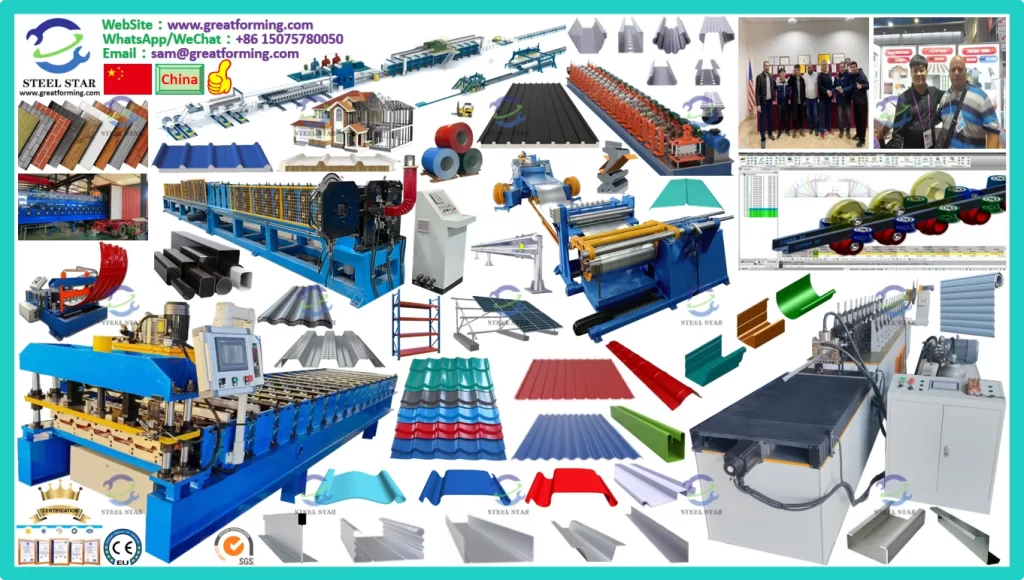
Below is a brochure of our factory products, which can be viewed and downloaded.
Roll forming is a type of rolling that involves continuously bending long strips of metal sheet (typically coiled steel) into the desired cross-section.
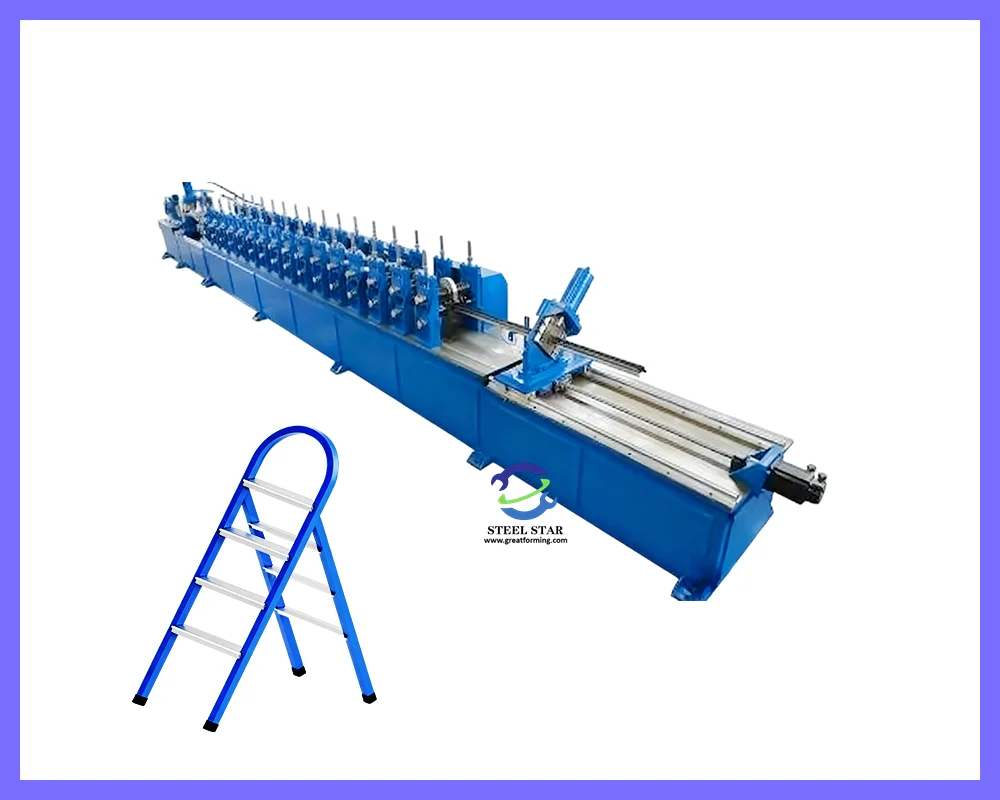
Design the mold shape and number of groups according to the required size. The shrinkage ratio of each group of cold bending is different. Through cold bending group by group, the final desired size can be achieved. Combined with electronic control system, hydraulic system, shearing system and counting encoder to realize automated operation.
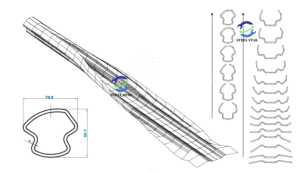
Technical Parameters :
- Raw material width : 50mm — 500mm (Can be customized according to your needs)
- Thickness of sheet : 1.5mm — 4mm (Can be customized according to your needs)
- speed : 5 m — 30 m/min (Can be customized according to your needs)
- Voltage : 380v 50hz 3phase / 220v 60hz 3phase (Can be customized according to your needs)
- Language : English / Spanish / Arabic / Russian / Portuguese / German / French (Can be customized according to your needs)
- Material of rollers : Gcr15 / Cr12 / Cr12 Mov (Can be customized according to your needs)
- Motor brand : Siemens / other (Can be customized according to your needs)
- Electronic control PLC : Siemens / Delta / other (Can be customized according to your needs)
- Number of roller rows: According to product design
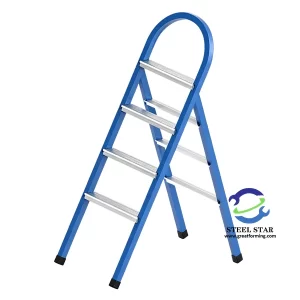
Application Scenarios :
Equipment Production Line:
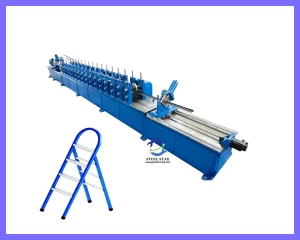
The Ladder Board Roll Forming Machine: Engineering Excellence in Structural Framing
In the landscape of modern construction and industrial manufacturing, the ladder board roll forming machine occupies a critical niche. This specialized equipment is responsible for producing a fundamental component of infrastructure: the ladder board—a structural profile used extensively in cable tray systems, industrial walkways, scaffolding platforms, and mezzanine flooring. As industries demand greater efficiency, structural integrity, and cost-effectiveness, the technology behind ladder board production has evolved into a sophisticated engineering discipline. This article provides a comprehensive examination of the ladder board roll forming machine, exploring its process, components, capabilities, and the significant advantages it offers to modern manufacturing operations.
What is a Ladder Board?
Before delving into the machinery, it is essential to understand the product itself. A ladder board, also known as a cable ladder or structural ladder, is a long, rigid framework consisting of two parallel side rails connected by a series of evenly spaced rungs or crossbars. This open structure creates a lightweight yet exceptionally strong support system.
The primary applications of ladder boards include:
Cable Management: Serving as the backbone for cable ladder systems in industrial plants, data centers, and commercial buildings, providing robust support for power and communication cables.
Industrial Walkways: Forming the structural base for anti-slip walkways, maintenance platforms, and catwalks in factories, refineries, and outdoor facilities.
Scaffolding and Formwork: Acting as decking or support members in temporary construction structures, valued for their high strength-to-weight ratio.
The inherent strength and versatility of ladder boards make them indispensable across construction, energy, and telecommunications sectors. The roll forming machine that produces them must, therefore, deliver precision, durability, and high throughput.
The Roll Forming Process for Ladder Boards
The production of ladder boards via roll forming is a continuous, highly automated process that transforms metal coils into finished structural components. Unlike simple solid profiles, ladder boards require the integration of two separate forming processes: the formation of the side rails and the insertion of the rungs. This complexity demands a sophisticated manufacturing line.
The process typically follows these stages:
1. Coil Loading and Material Preparation
The process begins with a decoiler that holds a coil of raw material—typically galvanized steel, stainless steel, or aluminum. The material is fed through a leveling unit to ensure flatness and a servo feeder that precisely controls its progression into the line.
2. Pre-Punching and Piercing
As the flat strip enters the machine, a hydraulic punching station performs critical operations. Holes are precisely punched along the length of the future side rails. These holes serve two essential purposes:
Rung Insertion Holes: Precisely spaced apertures where the crossbars will be inserted.
Mounting and Assembly Holes: Slots or holes for hardware, splicing, or mounting the finished ladder board to support structures.
3. Rung Manufacturing and Assembly
This stage distinguishes ladder board roll forming from simpler profile lines. Pre-cut rungs (crossbars) are typically formed from separate strips or are cut from a coil. An automated system feeds these rungs into the line, precisely aligning them with the pre-punched holes in the side rails. High-pressure mechanical or hydraulic presses then weld or crimp the rungs into place, creating a unified structure. This integration step is critical for maintaining consistent spacing and structural integrity.
4. Roll Forming the Side Rails
The strip, now with its attached rungs, moves through a progressive series of forming stations. Each station consists of precision-ground rollers that gradually bend the flat strip into the final shape of the side rail. Common side rail profiles include:
C-Channel: A simple, open profile suitable for standard applications.
Hat Channel: A profile with a raised center, offering increased stiffness and load-bearing capacity.
Box or Tubular Sections: Complex closed profiles that provide maximum torsional strength for heavy-duty applications.
The number of forming stations varies, typically from 18 to 30 or more, depending on the complexity of the profile and the material thickness.
5. Cutting to Length
Once the full profile is formed, a flying cutoff system—often hydraulic or servo-driven—cuts the continuous ladder board to the programmed length. The flying cutoff moves with the material, enabling precise cutting without stopping the production line, thus maintaining high efficiency.
6. Output and Stacking
The finished ladder boards are conveyed to an automatic stacking unit, which organizes them for packaging and shipping, minimizing manual handling and reducing labor costs.
Key Components of a Ladder Board Roll Forming Machine
A modern ladder board roll forming line is an integrated system composed of several critical components working in concert:
| Component | Function | Typical Specifications |
| Decoiler | Unwinds the metal coil | 5–15 ton capacity, hydraulic expansion mandrel, optional coil car |
| Leveling Unit | Removes curvature and ensures flatness | 5–7 leveling rollers, servo-driven adjustment |
| Servo Feed System | Provides precise material advancement | ±0.5 mm accuracy, PLC-controlled synchronization |
| Pre-Punching Press | Creates holes for rungs and mounting | 150–250 ton capacity, servo or hydraulic drive, custom die sets |
| Rung Forming & Assembly | Forms and inserts crossbars | Integrated servo-driven feed, resistance welding or mechanical crimping |
| Roll Forming Stations | Progressively forms side rails | 18–30+ stations, GCr15 bearing steel rollers, induction-hardened |
| Flying Cutoff | Cuts formed boards to length | Hydraulic or servo-driven, ±1.5 mm accuracy, hardened tool steel blades |
| PLC Control System | Automates and synchronizes the entire line | Siemens, Allen-Bradley, or Mitsubishi; touch-screen HMI, remote diagnostics |
Materials and Capabilities
Ladder board roll forming machines are engineered to handle a variety of materials and specifications to meet diverse application requirements:
Common Materials:
Galvanized Steel (SGCC, DX51D): The most common choice, offering excellent corrosion resistance and cost-effectiveness for indoor and outdoor applications.
Stainless Steel (304, 316): Used for high-corrosion environments such as chemical plants, marine installations, and food processing facilities.
Aluminum (6061, 6063): Valued for its lightweight properties and natural corrosion resistance, ideal for applications where weight is a critical factor.
Typical Specifications:
| Parameter | Range |
|———–|——-|
| Material Thickness | 1.2–3.5 mm (steel), 1.5–4.0 mm (aluminum) |
| Side Rail Width | 50–150 mm |
| Ladder Board Width | 300–900 mm |
| Rung Spacing | 150–500 mm (programmable) |
| Line Speed | 8–20 meters per minute (depending on complexity) |
Types of Ladder Board Roll Forming Machines
Manufacturers can select from various configurations based on production volume, profile complexity, and budget:
Standard Manual Machines: Basic models with manual adjustments for coil width and rung spacing. Suitable for small to medium production runs where flexibility is prioritized over speed.
Hydraulic Automatic Machines: Feature hydraulic pre-punching and automated rung insertion, significantly increasing production rates and reducing manual intervention. These are the industry standard for medium to high-volume production.
CNC Servo-Driven Lines: Fully automated lines with servo-driven feed systems and advanced CNC controls. These machines offer the highest precision, fastest changeover times (often under 20 minutes), and the ability to handle complex profiles with tight tolerances.
All-Electric Systems: Emerging technology that replaces hydraulic systems with electric servo drives. These systems offer improved energy efficiency (10–20% reduction), cleaner operation, and reduced maintenance requirements.
Key Advantages of Modern Ladder Board Roll Forming Machines
The adoption of advanced ladder board roll forming technology provides substantial operational and economic benefits:
1. High Production Efficiency
Continuous processing enables uninterrupted high-volume output. Modern lines can produce hundreds of meters of ladder board per shift, with automated handling systems further reducing labor requirements and cycle times.
2. Structural Integrity and Precision
The progressive forming process ensures uniform cross-sections and consistent rung spacing. Tight dimensional tolerances (±0.5 mm for length, ±0.3 mm for hole positioning) guarantee that finished boards will fit perfectly in assembly and installation.
3. Material and Cost Savings
Roll forming is a near-net-shape process with minimal material waste. Integrated punching and forming eliminate secondary operations, reducing handling costs and scrap rates. The efficient use of materials directly contributes to lower production costs.
4. Flexibility and Quick Changeovers
Modern machines feature tooling systems designed for rapid changeover. Profile changes can be accomplished in 15–30 minutes, allowing manufacturers to respond quickly to varying customer orders and reduce inventory requirements.
5. Consistent Quality and Safety
Automated quality checks, including vision systems for hole placement and weld integrity, ensure consistent product quality. The structural reliability of roll-formed ladder boards meets stringent safety standards for load-bearing applications.
Applications Across Industries
The versatility of ladder board roll forming machines makes them essential across multiple sectors:
| Industry | Application | Key Requirements |
|———-|————-|——————|
| Construction | Cable trays, walkways, scaffolding | Load capacity, corrosion resistance, code compliance |
| Telecommunications | Equipment racks, cable management systems | Precision mounting points, lightweight design |
| Oil & Gas | Offshore platforms, refineries, chemical plants | High corrosion resistance (stainless steel), safety compliance |
| Power Generation | Cable management in power plants and substations | Fire resistance, durability, high load capacity |
| Data Centers | Underfloor and overhead cable routing | Precision, clean appearance, efficient airflow design |
Industry Benchmarks and Performance Metrics
| Metric | Standard Performance | High-Performance Range |
|——–|———————|————————|
| Line Speed (m/min) | 8–12 | 15–20 |
| Length Tolerance | ±2.0 mm | ±1.0–1.5 mm |
| Rung Spacing Variation | ±1.0 mm | ±0.5 mm |
| Changeover Time | 30–60 min | 15–25 min |
| Scrap Rate | 2–3% | 0.5–1.5% |
| Operational Efficiency | 65–75% | 80–88% |
Technological Advancements
The ladder board roll forming industry continues to evolve with the integration of modern technologies:
Advanced Welding and Joining: For high-strength applications, manufacturers are adopting laser welding and advanced resistance welding techniques that produce stronger, cleaner rung-to-rail joints with improved aesthetics and structural integrity.
In-Line Quality Control: Machine vision systems now provide real-time verification of:
– Rung spacing and alignment
– Hole position and geometry
– Surface finish and coating integrity
– Profile dimensions
These systems automatically flag deviations, reducing downstream rework and ensuring consistent quality.
Energy Efficiency: The transition to servo-driven systems and energy-efficient motors (IE4/IE5) has reduced energy consumption by 10–18% compared to conventional hydraulic lines, lowering operating costs and environmental impact.
Case Study: Automated Line Implementation
A mid-sized manufacturer of cable management systems recently upgraded from a semi-automatic ladder board line to a fully automated CNC servo-driven system. The results over the first year of operation demonstrated significant improvements:
| Metric | Previous System | New System | Improvement |
|——–|—————–|————|————-|
| Output (boards per shift) | 280 | 620 | +121% |
| Changeover Time | 55 min | 18 min | -67% |
| Scrap Rate | 3.2% | 0.9% | -72% |
| Labor Requirement | 4 operators | 2 operators | -50% |
| Energy per Ton | 112 kWh | 88 kWh | -21% |
The investment in advanced automation delivered a payback period of 18 months, driven primarily by increased throughput, reduced material waste, and lower labor costs.
The ladder board roll forming machine represents a cornerstone of modern structural manufacturing. By combining continuous processing, precision engineering, and advanced automation, these machines enable the efficient production of components that form the backbone of industrial infrastructure. From cable management systems in data centers to walkways in chemical plants, the products of these machines are essential to safe and efficient operations across the global economy.
As the industry moves toward Industry 4.0, the next generation of ladder board roll forming lines will continue to deliver enhanced efficiency, precision, and connectivity. For manufacturers seeking to improve productivity, reduce costs, and meet the demanding quality standards of modern construction and industrial markets, investment in advanced roll forming technology offers a proven pathway to competitive advantage.
The evolution of this equipment reflects a broader trend in manufacturing: the convergence of traditional forming processes with digital intelligence, creating systems that are not only faster and more precise but also smarter and more responsive to the dynamic needs of the markets they serve.
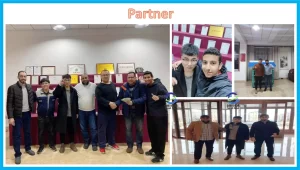
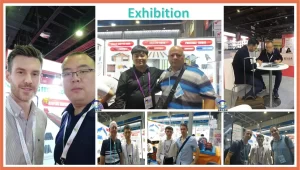
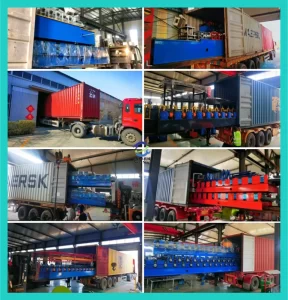
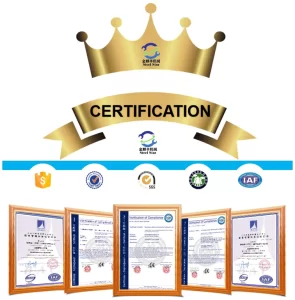
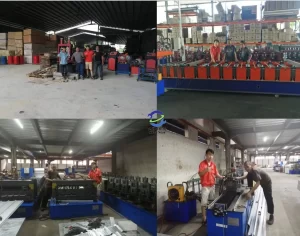
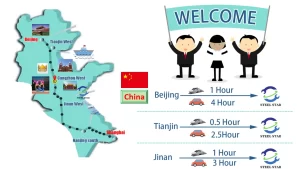
Factory Information:
Website:
www.greatforming.com (English)
www.arabicgreatforming.com (عربي)
www.russiangreatforming.com(Русский)
www.spanishgreatforming.com(Español)
www.frenchgreatforming.com(Français)
www.portuguesegreatforming.com(Portuguese)