

If you are interested in the product and want more information, please leave your information .

WeChat (China) : +86 15075780050
Email : sam@greatforming.com
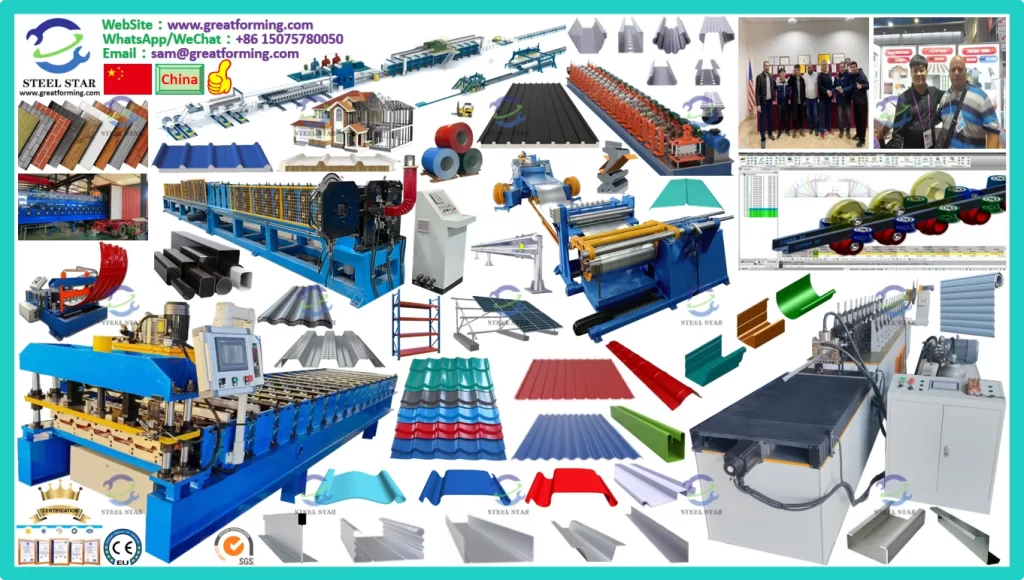
Below is a brochure of our factory products, which can be viewed and downloaded.
Roll forming is a type of rolling that involves continuously bending long strips of metal sheet (typically coiled steel) into the desired cross-section.
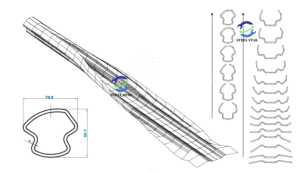
Design the mold shape and number of groups according to the required size. The shrinkage ratio of each group of cold bending is different. Through cold bending group by group, the final desired size can be achieved. Combined with electronic control system, hydraulic system, shearing system and counting encoder to realize automated operation.
Technical Parameters :
- Raw material width : 914mm / 925mm / 1000mm / 1200mm / 1220mm / 1250mm (Can be customized according to your needs)
- Thickness of sheet : 0.15mm — 1.0mm (Can be customized according to your needs)
- speed : 2 m — 8 m/min (Can be customized according to your needs)
- Voltage : 380v 50hz 3phase / 220v 60hz 3phase (Can be customized according to your needs)
- Language : English / Spanish / Arabic / Russian / Portuguese / German / French (Can be customized according to your needs)
- Material of rollers : C45 / Gcr15 / Cr12 / Cr12 Mov (Can be customized according to your needs)
- Motor brand : Siemens / other (Can be customized according to your needs)
- Electronic control PLC : Siemens / Delta (Can be customized according to your needs)
- Number of roller rows: According to product design
Application Scenarios :
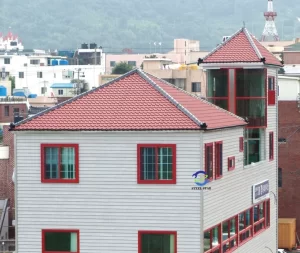
Equipment Production Line:
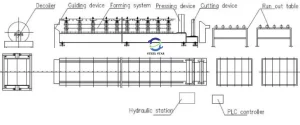
Related Product Layout Diagrams: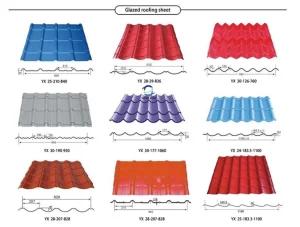
The Complete Guide to Glazed Tile Roll Forming Machines: Technology, Applications, and Selection
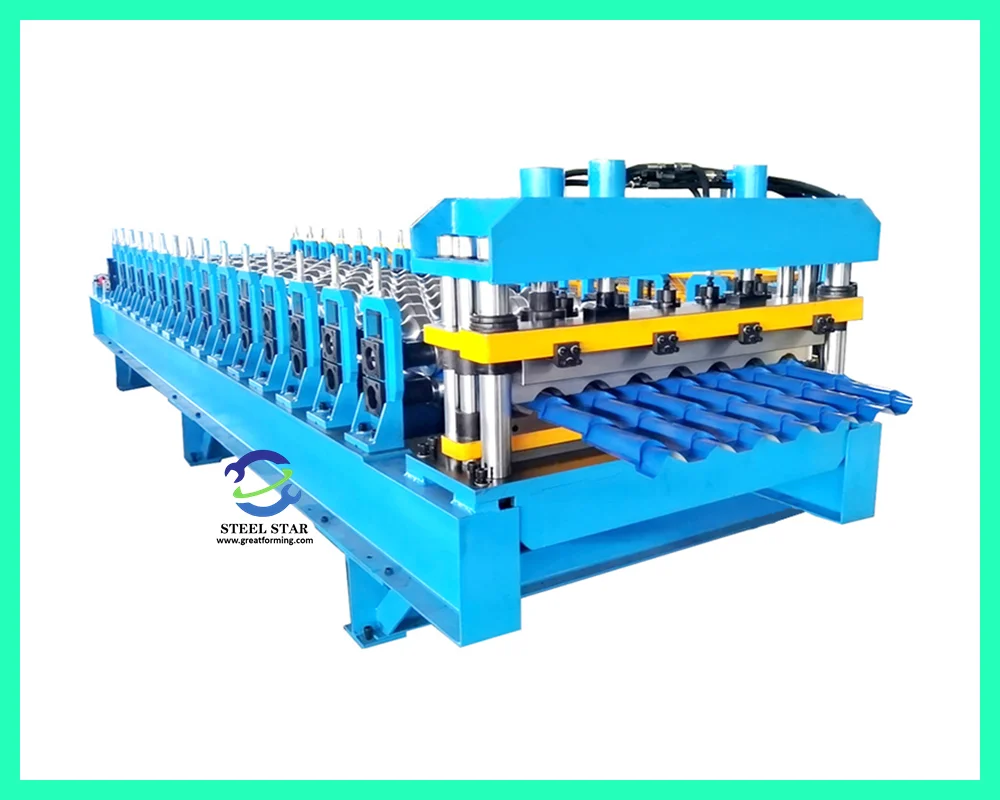
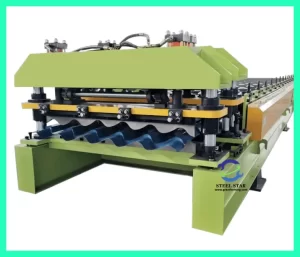
In the realm of modern architectural roofing, few products combine aesthetic elegance with structural durability as effectively as glazed metal roof tiles. These distinctive tiles—characterized by their smooth, reflective finish that mimics traditional clay glazed tiles—have become increasingly popular in residential, commercial, and architectural projects worldwide. At the heart of their production lies the **Glazed Tile Roll Forming Machine**, a specialized manufacturing system designed to produce these premium roofing products with precision, efficiency, and consistency.
This comprehensive guide explores every aspect of glazed tile roll forming machines, from their fundamental operating principles to advanced technical specifications, providing essential insights for manufacturers, investors, and construction professionals.
1. What Is a Glazed Tile Roll Forming Machine?
A glazed tile roll forming machine is a specialized industrial system designed to produce metal roof tiles with a distinctive glazed appearance. Unlike standard roll forming equipment that produces simple corrugated or trapezoidal profiles, glazed tile machines incorporate additional processes to create tiles with stepped patterns, embossed textures, and the characteristic smooth finish that gives these products their name.
Defining Characteristics of Glazed Tiles
Glazed metal tiles are distinguished by several key features:
Smooth, Reflective Surface: A high-gloss finish that reflects sunlight, contributing to energy efficiency
Stepped Profile: A distinctive multi-level design that replicates the appearance of traditional clay tiles
Interlocking Edges: Precision-formed edges that allow tiles to connect securely, creating a watertight roof system
Embossed Patterns: Some variants feature textured surfaces that mimic natural materials like slate or wood
How the Machine Works
The production process for glazed tiles involves a sequence of carefully controlled operations:
1. Decoiling: A coil of pre-painted or galvanized steel is loaded onto an uncoiler and fed into the machine
2. Guiding and Leveling: The material passes through a series of leveling rollers to ensure flatness and proper alignment
3. Initial Roll Forming: Progressive roller stations gradually shape the flat sheet into the basic tile profile
4. Step Forming: Hydraulic presses or specialized rollers create the distinctive stepped pattern characteristic of glazed tiles
5. Embossing (Optional): Additional rollers or presses apply textural patterns to the surface
6. Cutting: A hydraulic shear cuts the formed tile to the programmed length
7. Output and Stacking: Finished tiles are collected for packaging or further processing
The result is a precision-engineered metal tile that offers the visual appeal of traditional glazed clay with the durability and installation efficiency of modern steel roofing.
2. Types of Glazed Tile Roll Forming Machines
Glazed tile roll forming machines are available in several configurations, each suited to different production scales, facility layouts, and product requirements.
2.1 Single-Stage Glazed Tile Machines
These machines produce glazed tiles in a single, continuous pass through a dedicated set of rollers.
| Advantages | Limitations |
| High production speed (typically 8-15 m/min) | Limited to one specific tile profile |
| Simple operation with minimal changeover | Not suitable for custom or varied product lines |
| Lower maintenance requirements | Requires retooling for different designs |
| Cost-effective for high-volume production |
Best for: Large-scale manufacturers focused on a single glazed tile design for mass-market applications.
2.2 Double-Stage Glazed Tile Machines
These systems utilize two sequential forming stages—often combining roll forming with hydraulic pressing—to achieve the complex stepped profiles characteristic of premium glazed tiles.
| Advantages | Limitations |
| Superior profile accuracy and definition | Higher initial investment |
| Capable of producing more intricate designs | More complex operation and maintenance |
| Better control over the step-forming process | Slightly slower than single-stage machines |
| Ideal for high-end architectural products |
Best for: Manufacturers producing premium glazed tiles with precise stepped patterns and consistent quality.
2.3 Fully Automatic Glazed Tile Lines
Comprehensive production systems that integrate all processes—decoiling, roll forming, step pressing, cutting, and stacking—into a fully automated workflow.
| Advantages | Limitations |
| Maximum production efficiency (24/7 operation) | Highest capital investment |
| Minimal labor requirements | Requires skilled technical personnel |
| Consistent quality with reduced human error | Larger facility footprint |
| Integrated quality control systems | Higher power consumption |
| Real-time production monitoring |
Best for: Industrial-scale manufacturers aiming for peak productivity and consistent output.
2.4 Hydraulic Glazed Tile Forming Machines
A specialized category where hydraulic pressing plays a central role in creating the distinctive stepped profile and surface finish.
| Advantages | Limitations |
| Produces the most accurate stepped patterns | Hydraulic systems require regular maintenance |
| Capable of creating deep, well-defined steps | Slower cycle times than pure roll forming |
| Superior surface finish quality | Higher energy consumption |
| Ideal for complex, high-end tile designs |
Best for: Manufacturers specializing in premium glazed tiles where profile accuracy and surface quality are paramount.
2.5 Double Layer Machines with Glazed Capability
Versatile systems that can produce both standard roofing profiles and glazed tiles on the same machine line.
| Advantages | Limitations |
| Produces two roofing types in one operation | More complex setup and changeover |
| Maximum flexibility for diverse product lines | Higher initial cost than single-purpose machines |
| Efficient use of facility space | Requires operators skilled in multiple processes |
| Quick changeover between profiles |
Best for: Manufacturers serving markets with varied roofing requirements.
3. Key Components and Construction
The performance, durability, and output quality of a glazed tile roll forming machine depend heavily on the quality of its components. Understanding these elements is essential for evaluating equipment and planning maintenance.
3.1 Frame Construction
The frame provides the structural foundation for all forming operations. It must resist vibration, maintain alignment under load, and ensure consistent product quality throughout extended production runs.
High-quality frames are typically fabricated from:
Carbon Steel (Q235 or Q345): Offers excellent strength-to-cost ratio for standard applications
Alloy Steel: Provides superior rigidity and fatigue resistance for heavy-duty operations
Cast Steel Construction: Used in premium machines to eliminate weld-induced stress and deformation
Premium manufacturers stress-relieve frames after welding to eliminate internal stresses and prevent dimensional drift over time.
3.2 Rollers
Rollers are the core forming elements that progressively shape the metal sheet into the desired profile. For glazed tiles, roller design must accommodate the stepped profile while maintaining surface quality.
Materials:
45# Steel: Standard material for general-purpose rollers
40Cr or GCr15: High-grade alloy steel with superior wear resistance
D2 Tool Steel: Used for high-wear applications and abrasive materials
Processing:
Heat treatment to achieve hardness of 58-62 HRC
Hard chrome plating (0.03-0.05mm) for wear resistance and corrosion protection
Precision grinding to ensure dimensional accuracy
Design Considerations for Glazed Tiles:
Smooth surface finish to prevent marring of pre-coated materials
Precisely contoured profiles to form the distinctive stepped pattern
Anti-marking features for high-gloss finishes
3.3 Hydraulic Pressing System
The hydraulic system is critical for glazed tile machines, as it performs the step-forming operation that creates the tile’s signature appearance.
Components:
Hydraulic Pump: Provides pressurized fluid for pressing operations
Hydraulic Cylinders: Deliver the force needed to form steps and emboss patterns
Control Valves: Regulate pressure, flow, and timing
Oil Tank: Stores hydraulic fluid with cooling and filtration systems
Specifications:
Operating pressure typically 12-16 MPa
Cylinder diameter varies based on required forming force
Advanced machines feature servo-controlled hydraulics for precision and energy efficiency
3.4 Cutting System
The cutting system must cleanly shear formed tiles to precise lengths without deforming the profile or damaging the surface finish.
Blade Materials:
Cr12 Mold Steel: Standard material for moderate-duty applications
HSS (M2 or M42): High-speed steel for longer blade life
Carbide-Tipped: Premium option for maximum durability and edge retention
Cutting Types:
Hydraulic Shear: Most common, uses angled blades for clean cuts
Flying Cut: Cuts on the fly without stopping material flow for high-speed applications
3.5 Control System
Modern glazed tile machines utilize programmable logic controllers (PLCs) with touch-screen interfaces for precise control and monitoring.
Key Control Features:
Digital length setting with ±1-2mm accuracy
Batch counting and production tracking
Automatic and manual operation modes
Real-time fault diagnosis and alerts
Speed control via variable frequency drives (VFDs)
Recipe storage for multiple tile designs
Leading PLC Brands: Siemens, Mitsubishi, Delta, Omron
Component Material Summary
| Component | Materials | Key Properties | Specifications |
| Frame | Q235/Q345 Carbon Steel, Cast Steel | Rigidity, stability | Stress-relieved after welding |
| Rollers | 45#, 40Cr, GCr15, D2 | Hardness 58-62 HRC | Chrome plated 0.03-0.05mm |
| Shafts | 40Cr, 20CrMnTi | Strength, fatigue resistance | Φ65-80mm, tempered |
| Cutting Blades | Cr12, HSS, Carbide | Edge retention | Quenched and tempered |
| Hydraulic System | Alloy Steel | Forming force | 12-16 MPa operating pressure |
4. Technical Specifications
Understanding key technical parameters helps in evaluating whether a machine meets production requirements. Typical specifications for glazed tile roll forming machines include:
| Parameter | Typical Range | Notes |
| Material Type | Galvanized steel, color-coated steel | PPGI, HDGI, aluminum |
| Material Thickness | 0.3mm – 0.6mm | Up to 0.8mm for heavy-duty models |
| Material Width | 900mm – 1200mm | Varies by tile design |
| Forming Speed | 6 – 12 meters/minute | Single-stage; slower for hydraulic step forming |
| Number of Roller Stands | 16 – 22 stations | More stations for complex profiles |
| Main Motor Power | 5.5kW – 11kW | Depends on machine size |
| Hydraulic Motor Power | 5.5kW – 11kW | For pressing and cutting |
| Cutting Tolerance | ±1.5mm per 10 meters | High-precision machines |
| Machine Weight | 4 – 10 tons | Excluding uncoiler and stacker |
| Control System | PLC with touch screen | Siemens, Mitsubishi, Delta |
| Voltage | 380V 50Hz / 220V 60Hz | Customizable |
5. Materials for Glazed Tile Production
The choice of raw material significantly influences both the production process and the final product quality. Glazed tiles are typically manufactured from pre-coated steel coils to achieve the distinctive finish.
5.1 Color-Coated Steel (PPGI)
Pre-painted galvanized iron (PPGI) is the most common material for glazed tile production. The pre-applied coating eliminates the need for post-forming painting and provides consistent color and finish.
Key Considerations:
Coating Type: Polyester (PE), silicon-modified polyester (SMP), or polyvinylidene fluoride (PVDF)
Coating Thickness: Typically 15-25 microns for top coating
Substrate: Hot-dip galvanized steel with zinc coating (Z100-Z275)
Color Options: Wide range including traditional terracotta, slate gray, forest green, and custom colors
5.2 Galvalume Steel
Steel coated with aluminum-zinc alloy offers superior corrosion resistance compared to standard galvanized steel. The distinctive spangled appearance can be enhanced with clear coatings for glazed applications.
5.3 Aluminum
For coastal applications or premium projects, aluminum offers exceptional corrosion resistance and lightweight properties. However, aluminum requires careful handling during roll forming to prevent surface scratching.
Material Selection Factors
| Factor | Consideration |
| Corrosion Resistance | Match to environment (coastal, industrial, urban) |
| Coating Durability | PVDF for premium, SMP for standard, PE for economy |
| Formability | Ensure material elongation matches forming requirements |
| Color Consistency | Verify batch-to-batch color matching |
| Surface Finish | High-gloss finishes require pristine tooling |
Surface Protection During Production
Producing glazed tiles requires particular attention to surface protection. The pre-applied coating must remain pristine throughout the forming process. Key considerations include:
Roller Surface Finish: Smooth, polished rollers minimize surface marking
Material Path: Clean, well-maintained guides prevent scratching
Lubrication: Minimal lubrication required; dry forming preferred
Handling: Careful stacking and packaging to prevent post-production damage
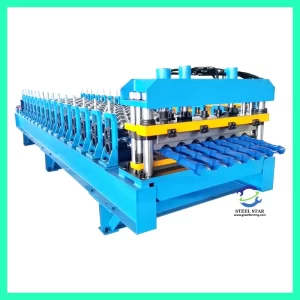
6. The Step Forming Process: Key to Glazed Tiles
The distinctive feature of glazed tiles is the stepped profile—a multi-level design that creates shadow lines and visual depth reminiscent of traditional clay tiles. This feature is typically achieved through a dedicated step-forming station.
How Step Forming Works
1. Initial Forming: The material passes through standard roll forming stations to create the base profile
2. Step Pressing: A hydraulic press with precisely contoured dies descends to create the stepped pattern
3. Material Flow: The press forces the material into the die cavity, creating the raised and recessed areas
4. Release and Return: The press retracts, and the material advances for subsequent steps
Factors Affecting Step Quality
| Factor | Impact |
| Die Design | Determines step height, width, and definition |
| Hydraulic Pressure | Must be sufficient for material thickness and hardness |
| Material Properties | Thicker, harder materials require higher forming forces |
| Press Speed | Affects material flow and springback characteristics |
| Lubrication | Influences surface finish and die life |
Common Step Patterns
Single Step: A single raised band across the tile width
Double Step: Two parallel raised bands
Spanish Style: Curved step with rounded transitions
Classic: Distinct, sharp-edged steps for traditional appearance
7. Operational Considerations
Successful operation of a glazed tile roll forming machine requires attention to setup procedures, quality control, and maintenance practices.
7.1 Pre-Operation Setup
Before production begins, operators should:
1. Verify material specifications (thickness, width, coating type)
2. Inspect material surface for defects or damage
3. Confirm die and roller alignment
4. Set hydraulic pressure to appropriate levels
5. Program target length and batch quantity
6. Run test pieces and verify profile accuracy
7.2 Quality Control Checkpoints
Maintaining consistent quality requires regular inspection at key points:
| Checkpoint | Inspection Criteria |
| Material Infeed | Surface quality, coating integrity, width tolerance |
| Post Roll Forming | Profile shape, edge straightness, dimensional accuracy |
| Post Step Forming | Step height consistency, surface marks, pattern alignment |
| Post Cutting | Length accuracy, cut squareness, burr condition |
| Final Output | Overall appearance, coating condition, stacking alignment |
7.3 Common Issues and Troubleshooting
| Issue | Potential Causes | Solutions |
| Surface Scratching | Rough rollers, debris in tooling | Polish rollers, clean tooling, verify material path |
| Inconsistent Step Height | Hydraulic pressure variation, die wear | Check pump, adjust pressure, inspect/repair dies |
| Profile Distortion | Roller misalignment, material tension | Realign rollers, adjust feed tension |
| Length Variation | Control system error, slip in feed | Calibrate encoder, check feed rollers |
| Burred Cuts | Dull blades, improper blade gap | Sharpen or replace blades, adjust gap |
| Material Buckling | Excessive feed tension, improper roller gaps | Reduce tension, adjust roller spacing |
7.4 Maintenance Schedule
Regular maintenance extends machine life and ensures consistent quality:
| Frequency | Tasks |
| Daily | Clean machine, inspect hydraulic oil level, check for unusual noise or vibration |
| Weekly | Lubricate moving parts, inspect rollers for wear, check blade condition |
| Monthly | Inspect hydraulic system for leaks, verify electrical connections, check alignment |
| Quarterly | Change hydraulic oil and filters, inspect bearings, calibrate control system |
| Annually | Comprehensive inspection, replace worn components, verify machine leveling |
8. Advantages of Glazed Metal Tiles
Understanding the benefits of the finished product helps manufacturers position their offerings in the market.
8.1 Aesthetic Appeal
Glazed metal tiles offer the timeless beauty of traditional clay tiles with several enhancements:
Consistent Color: Factory-applied coatings ensure uniform color across all tiles
Design Variety: Available in multiple profiles, colors, and finishes
Architectural Versatility: Suitable for traditional and contemporary designs
Visual Depth: Stepped profiles create attractive shadow lines
8.2 Durability
Metal tiles significantly outperform clay and concrete alternatives in several areas:
Impact Resistance: Steel withstands hail and falling debris better than brittle materials
Weather Resistance: Withstands extreme temperatures, wind, and rain
Corrosion Protection: Multi-layer coating systems provide long-term protection
Lifespan: 30-50 years with proper installation and coating selection
8.3 Lightweight Construction
Metal glazed tiles are significantly lighter than traditional alternatives:
| Material | Weight (per sq. meter) |
| Glazed Metal Tile | 4-6 kg |
| Concrete Tile | 45-55 kg |
| Clay Tile | 40-50 kg |
This weight reduction translates to:
Lower structural requirements
Reduced transportation costs
Easier handling and installation
Suitable for retrofits over existing roofing
8.4 Energy Efficiency
The reflective surface of glazed tiles contributes to building energy performance:
Solar Reflectance: Smooth, light-colored surfaces reflect sunlight
Cool Roof Benefits: Reduces cooling loads in warm climates
Thermal Mass: Metal roofs can be combined with insulation for optimal performance
8.5 Installation Efficiency
Metal glazed tiles offer faster, simpler installation compared to traditional tiles:
Large Format: Typical tiles cover 0.5-0.8 square meters each
Interlocking Design: Self-aligning edges ensure proper overlap
Fewer Components: Simplified roofing system with fewer accessories
All-Weather Installation: Can be installed in conditions unsuitable for clay or concrete
9. Market Applications
Glazed metal tiles find applications across diverse construction sectors:
9.1 Residential Construction
Single-Family Homes: Particularly popular for upscale and custom homes
Villas and Vacation Homes: Premium appearance suitable for resort properties
Townhouses and Row Houses: Consistent appearance for attached dwellings
Renovations**: Lightweight ideal for retrofitting existing roofs
9.2 Commercial and Hospitality
Hotels and Resorts: Premium appearance with durability for high-traffic areas
Restaurants: Distinctive architecture to attract customers
Retail Centers: Brand-consistent roofing for shopping centers
Office Buildings: Professional appearance with long-term durability
9.3 Institutional
Schools and Universities: Durable, low-maintenance roofing for educational facilities
Hospitals: Long lifespan with minimal maintenance requirements
Religious Buildings: Traditional appearance for churches and temples
Government Buildings: Compliance with architectural standards
9.4 Architectural Projects
Mixed-Use Developments: Versatile appearance for diverse building types
Luxury Developments: Premium finish for high-value properties
Historic Replicas: Traditional appearance with modern performance
10. Market Trends and Future Outlook
The glazed tile roll forming machine market continues to evolve with technological advancements and changing industry demands.
10.1 Automation and Industry 4.0
Modern machines increasingly incorporate advanced automation features:
Remote Monitoring: Real-time production tracking from mobile devices
Predictive Maintenance: Sensors that alert operators to potential issues
Data Analytics: Production optimization through data collection and analysis
Integration: Connectivity with enterprise resource planning (ERP) systems
10.2 Energy Efficiency
Newer machines focus on reducing energy consumption:
Servo-Driven Systems: Replacing hydraulic systems with more efficient servo-electric drives
Variable Speed Pumps: Adjusting hydraulic output to match demand
Energy Recovery: Capturing and reusing energy from deceleration phases
Optimized Cycles: Reducing idle time and energy waste
10.3 Sustainable Manufacturing
Environmental considerations drive equipment development:
Recycled Materials: Machines capable of processing coils with recycled content
Reduced Waste: Precision cutting minimizes material waste
Water Conservation: Dry forming processes eliminate water consumption
Coating Innovations: Low-VOC coatings for reduced environmental impact
10.4 Product Innovation
Manufacturers increasingly seek machines capable of producing:
Solar-Integrated Tiles: Tiles designed to accept photovoltaic panels
Multi-Color Tiles: Machines capable of producing tiles with varied color patterns
Enhanced Insulation: Profiles designed for composite panel systems
Textured Finishes: Embossed patterns that replicate natural materials
10.5 Regional Market Dynamics
Different regions exhibit distinct trends:
| Region | Key Drivers |
| North America | Energy efficiency, retrofits, premium residential |
| Europe | Sustainability, architectural heritage, renovation |
| Asia-Pacific | Urbanization, residential construction, cost sensitivity |
| Middle East | Luxury construction, heat reflection, architectural statement |
| Latin America | Affordable housing, weather resistance, installation speed |
11. Selecting the Right Glazed Tile Machine
Choosing the appropriate glazed tile roll forming machine requires careful evaluation of multiple factors.
11.1 Production Requirements
Expected Volume: Daily, monthly, and annual production targets
Product Mix: Single profile or multiple designs
Batch Sizes: Large continuous runs or frequent changeovers
Shift Schedule: Single, double, or continuous operation
11.2 Material Specifications
Material Types: Steel, aluminum, coated products
Thickness Range: Minimum and maximum to be processed
Width Requirements: Coil width compatibility
Coating Considerations: Surface sensitivity of pre-coated materials
11.3 Facility Constraints
Available Floor Space: Machine footprint including uncoiler and stacker
Power Supply: Voltage, phase, and capacity requirements
Ceiling Height: Clearance for material handling and maintenance
Loading Access: Space for coil delivery and finished goods storage
11.4 Budget and ROI
Initial Investment: Machine cost including installation and training
Operating Costs: Energy consumption, labor requirements, maintenance
Spare Parts: Availability and cost of consumables
Expected ROI: Payback period based on production capacity and market pricing
11.5 Manufacturer Selection Criteria
Experience: Track record in glazed tile equipment
Technical Support: Availability of training, installation, and ongoing support
Spare Parts Availability: Local or regional parts supply
Warranty: Standard coverage and optional extensions
References: Existing customers with similar applications
11.6 Pre-Purchase Verification
Before finalizing a purchase, manufacturers should:
Request material test runs using actual production materials
Visit existing installations to observe real-world performance
Verify all technical specifications in writing
Confirm delivery, installation, and commissioning timelines
Review warranty terms and support agreements
The glazed tile roll forming machine represents a specialized segment of the metal roofing equipment industry, combining precision roll forming with hydraulic pressing capabilities to produce products of exceptional aesthetic and structural quality. As the demand for durable, attractive, and energy-efficient roofing solutions continues to grow, these machines play an increasingly important role in meeting market needs.
With ongoing advancements in automation, energy efficiency, and product capabilities, the glazed tile roll forming machine market continues to evolve. Manufacturers who stay informed about technological developments and maintain rigorous quality standards will be well-positioned to capitalize on the growing demand for premium metal roofing products worldwide.
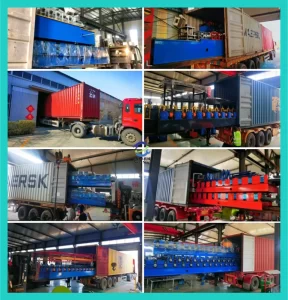
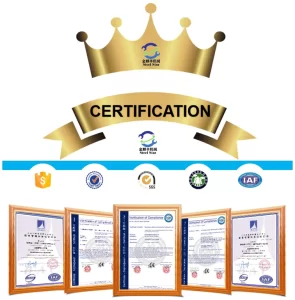
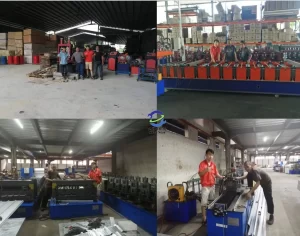
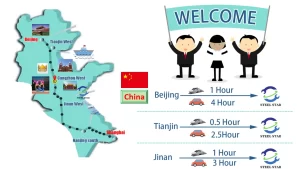
Factory Information:


Website:
www.greatforming.com (English)
www.arabicgreatforming.com (عربي)
www.russiangreatforming.com(Русский)
www.spanishgreatforming.com(Español)
www.frenchgreatforming.com(Français)
www.portuguesegreatforming.com(Portuguese)