

The Backbone of Modern Construction: Steel Framing Machines
The rise of light gauge steel (LGS) framing in residential, commercial, and industrial construction is a direct result of its inherent advantages: strength, consistency, non-combustibility, and resistance to rot and pests. At the heart of this construction revolution are steel framing machines, the highly engineered systems that transform raw steel coils into precise, code-compliant structural components with remarkable speed and efficiency.
What Are Steel Framing Machines?
Steel framing machines are specialized roll forming lines designed to fabricate the primary members of a light gauge steel frame. These machines cold-form galvanized steel strip (typically ranging from 0.7mm to 2.0mm in thickness) into a variety of standardized profiles. The core output includes:
- Studs & Tracks: C-shaped studs for vertical walls and U-shaped tracks that cap them at the top and bottom.
- Jois ts & Runners: For floor and ceiling assemblies.
- Furring Channels & Hat Channels: For interior ceilings and exterior cladding support.
Core Components of a Production Line
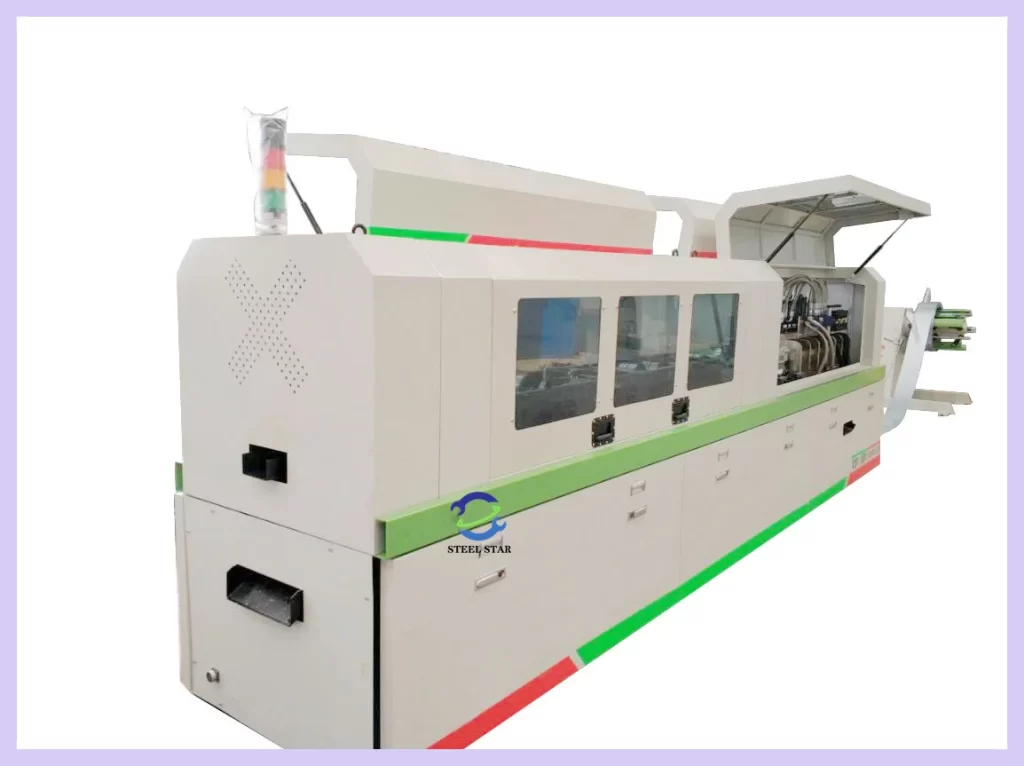
A complete framing machine system is more than just a roll former; it is an integrated fabrication cell:
- Decoiler & Straightener: Holds the master coil of galvanized steel and removes coil curvature to ensure flat, consistent material entry.
- Pre-Punching/Notching Unit (The Critical Differentiator): This servo-driven station is what sets a framing machine apart from a simple roll former. It punches out precise, code-required holes in the web of the stud for electrical, plumbing, and mechanical service routing before the profile is formed. It also creates end notches for track fitting and may punch pilot holes for screws.
- Roll Forming Mill: A series of 15-25+ paired roller dies that progressively bend the flat, punched strip into the final C or U profile with tight tolerances (typically ±0.5mm).
- Cut-Off System: A high-speed, servo-controlled flying cut-off shears the continuous formed stud or track to exact, pre-programmed lengths without stopping the line.
- Stacking & Bundling System: Automatically counts, stacks, and bundles finished pieces for strapping and shipment, drastically reducing manual handling.
Key Advantages of Machine-Produced Steel Framing
- Unrivaled Precision & Consistency: Every stud is identical, ensuring walls are perfectly straight, plumb, and square. This eliminates the warping, shrinking, and swelling common with wood.
- Extreme Speed & Volume: A single automated line can produce a complete house frame worth of studs in a matter of hours, enabling rapid project timelines and just-in-time delivery to construction sites.
- Integrated Fabrication: The in-line punching of service holes is a game-changer. It transforms a raw component into a pre-fabricated part, saving countless hours of on-site labor for electricians and plumbers and reducing trade coordination headaches.
- Material Efficiency & Reduced Waste: Computer-controlled cutting and punching optimize material use from the coil, generating minimal scrap compared to job-site cutting.
- Design Flexibility: Machines can be quickly reprogrammed to produce varying lengths and hole patterns, supporting custom architectural designs as easily as standardized plans.
Types of Machines and Investment Scale
- Standard Stud & Track Lines: The most common type, producing the essential components for walls.
- Floor Joist Machines: More complex lines that form deeper C-shaped joists, often with pre-punched holes for bridging. These are larger and more capital-intensive.
- Combination Lines: Versatile machines capable of producing multiple profile types (e.g., studs, tracks, and furring channels) with quick roll changes, offering great flexibility for specialized manufacturers.
- Heavy Gauge Machines: Designed for thicker steel (up to 3.5mm+) used in commercial mezzanines, load-bearing walls, and mid-rise construction, requiring significantly more power and robust engineering.
The Impact on the Construction Industry
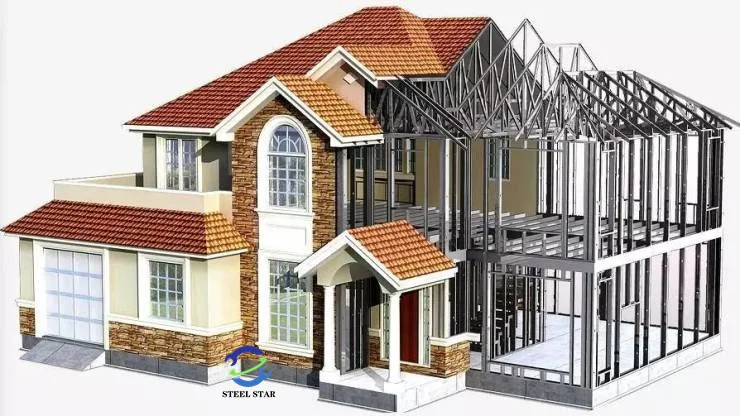
Steel framing machines are the enablers of off-site, precision-manufactured construction. They allow framing to move from a weather-dependent, skill-intensive site activity to a controlled, factory-based process. This shift improves quality control, enhances worker safety, mitigates weather delays, and supports sustainable construction through reduced material waste.
More than just metal benders, modern steel framing machines are sophisticated digital fabrication tools. They bridge the gap between architectural design and physical structure, producing intelligent, ready-to-assemble components with embedded functionality. For builders seeking resilience, speed, and precision, investing in or sourcing from a producer utilizing these machines is no longer an alternative—it is a forward-looking strategy to build better, faster, and smarter. They are truly forming the future, one precise stud at a time.
Website:
www.greatforming.com (English)
www.arabicgreatforming.com (عربي)
www.russiangreatforming.com(Русский)
www.spanishgreatforming.com(Español)
www.frenchgreatforming.com(Français)
www.portuguesegreatforming.com(Portuguese)